When I started getting in to cars, the cool parents had a 3-series coupe. My best friend’s Mom growing up in Atlanta had an E30 325i she would drive us around in and when I moved to California my best friend’s Dad took us to hockey practice in an E36 M3. As I started getting deeper in to tuner magazines, I obsessed over AC Schnitzer, Alpina, Dinan, and Hamann parts. So it was with great sadness that I read last month that AC Schnitzer is officially shuttering after nearly 40 years in business. The brand cited rising costs and competitive disadvantages in the current economy, but the reality is that the rise of inexpensive eBay parts and AliExpress-backed eCommerce brands has put quality manufacturers on their toes for a while now.
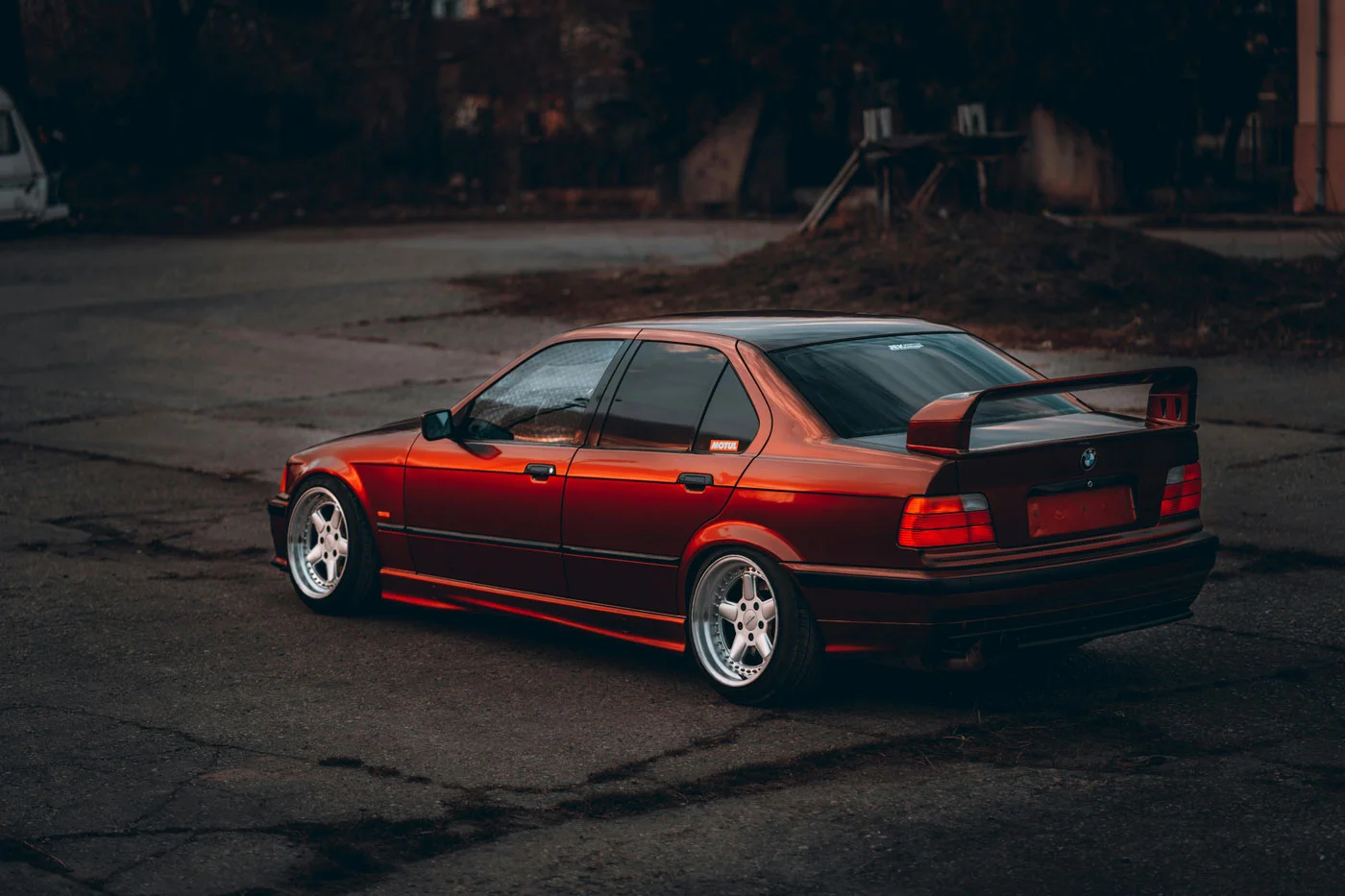
The partnership that created AC Schnitzer in 1987 was, in one sense, a straightforward business transaction. Willi Kohl of the KOHL Group, operators of one of the largest BMW dealership networks in Europe, needed engineering credibility. Herbert Schnitzer, whose family name had been synonymous with BMW touring car victories in the ETCC and DTM for nearly two decades, needed commercial infrastructure. They signed the papers in Aachen, attached the city’s postal code to the front of the Schnitzer name, and introduced the ACS7, a modified E32 7-series, at the Frankfurt Motor Show that September.
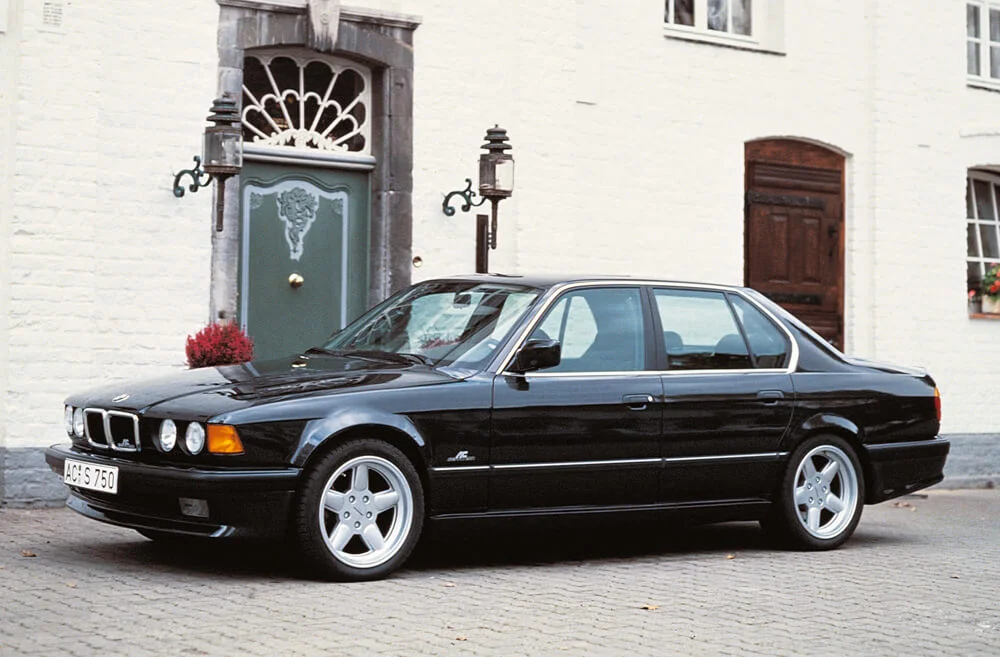
Though separate entities, technology transferred between Schnitzer Motorsport, Herbert Schnitzer’s family race team, and AC Schnitzer. Suspension geometry, aero tuning, and wheel engineering all helped give racing pedigree to the tuning house. That distinction explains the design philosophy that made AC Schnitzer’s wheels different from what everyone else in the German aftermarket was producing. The philosophy of the average tuner was street use: German TÜV approval standards, surviving decades of ordinary use, and performing at the Nürburgring without compromising the trip to work on Monday. ACS looked at it from another angle: how can we bring our race wheels to the street.
Three Wheels, Three Eras
Every serious discussion of AC Schnitzer wheels comes back to three designs: the Type I, the Type II, and the Type III. They track the brand’s first eighteen years almost exactly. Each one was a direct response to the BMW design language of its era, and each one solved a different problem while maintaining the same core five spoke aesthetic.
Type I (1989 — Early 1990s)
The Type I was the first wheel AC Schnitzer produced, and by most accounts it remains the most influential. Released in 1989 on the aforementioned ACS7, it was a reaction to the dominant aesthetic of its time. The 1980s aftermarket was saturated with complex mesh “basketweave” patterns. The Type I went the other direction with five flat, wide spokes tapering slightly toward the rim, designed to look structurally integrated with the hub rather than bolted onto it. Clean enough to work against the angular lines of the E30 and E32 while solid enough to communicate strength without appearing heavy. It became the definitive wheel for the E30 M3 and set the visual template that BMW’s own five-spoke factory designs have been borrowing from ever since.
The Type I came in three distinct construction variants, which matters on the used market where they’re frequently confused. The monoblocks were the most common version. They were cast aluminum, available in 14”, 15”, and 16”, and what most people encounter when they find a set of “Type I”s.
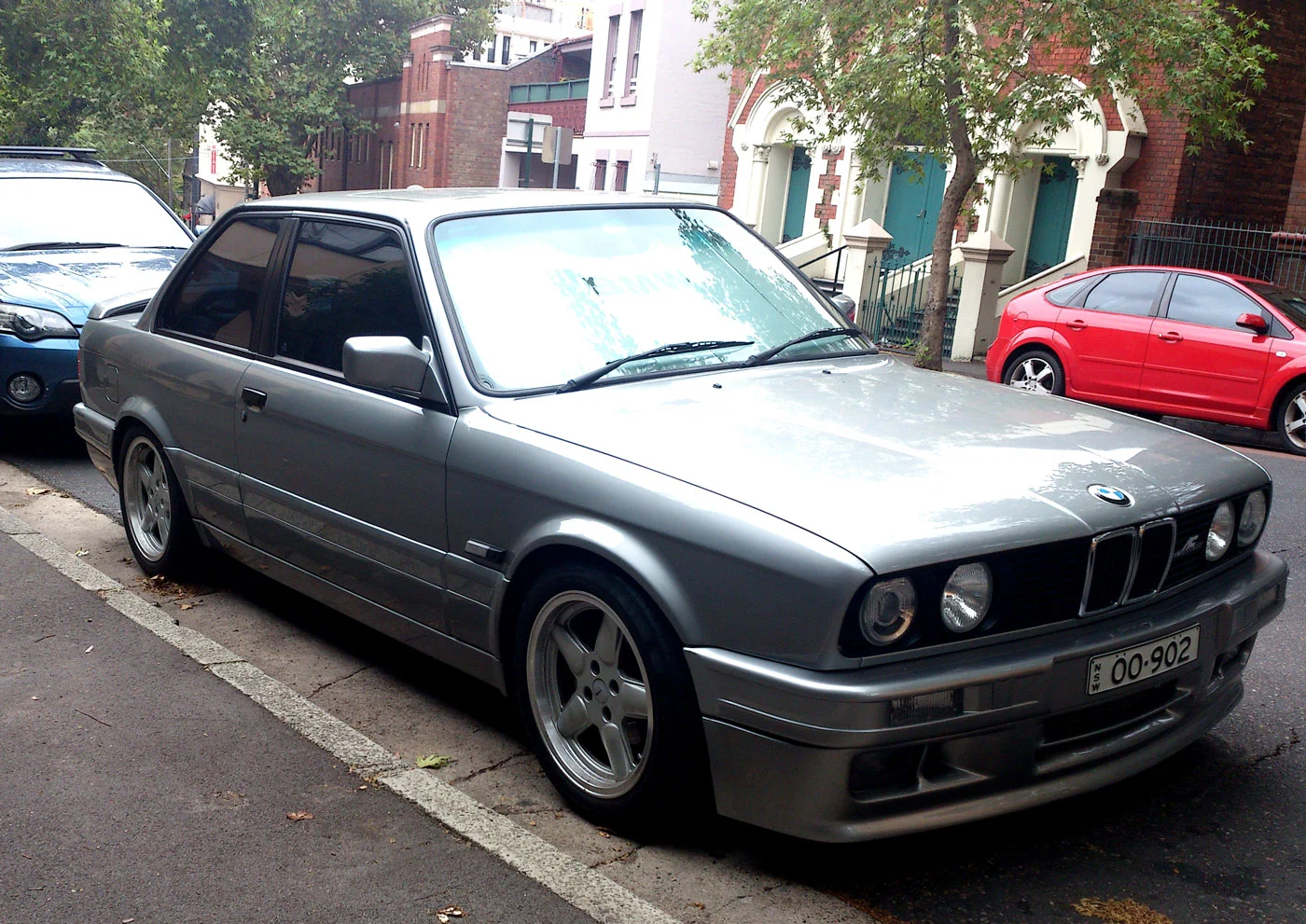
The 2-piece or “split rim” Type I is rare and easily misidentified. These appear primarily in 17” (and sometimes 18”) and use a cast center bolted into a single-piece barrel and lip assembly. They look similar to the three-piece at a glance but lack the distinct sandwich construction.
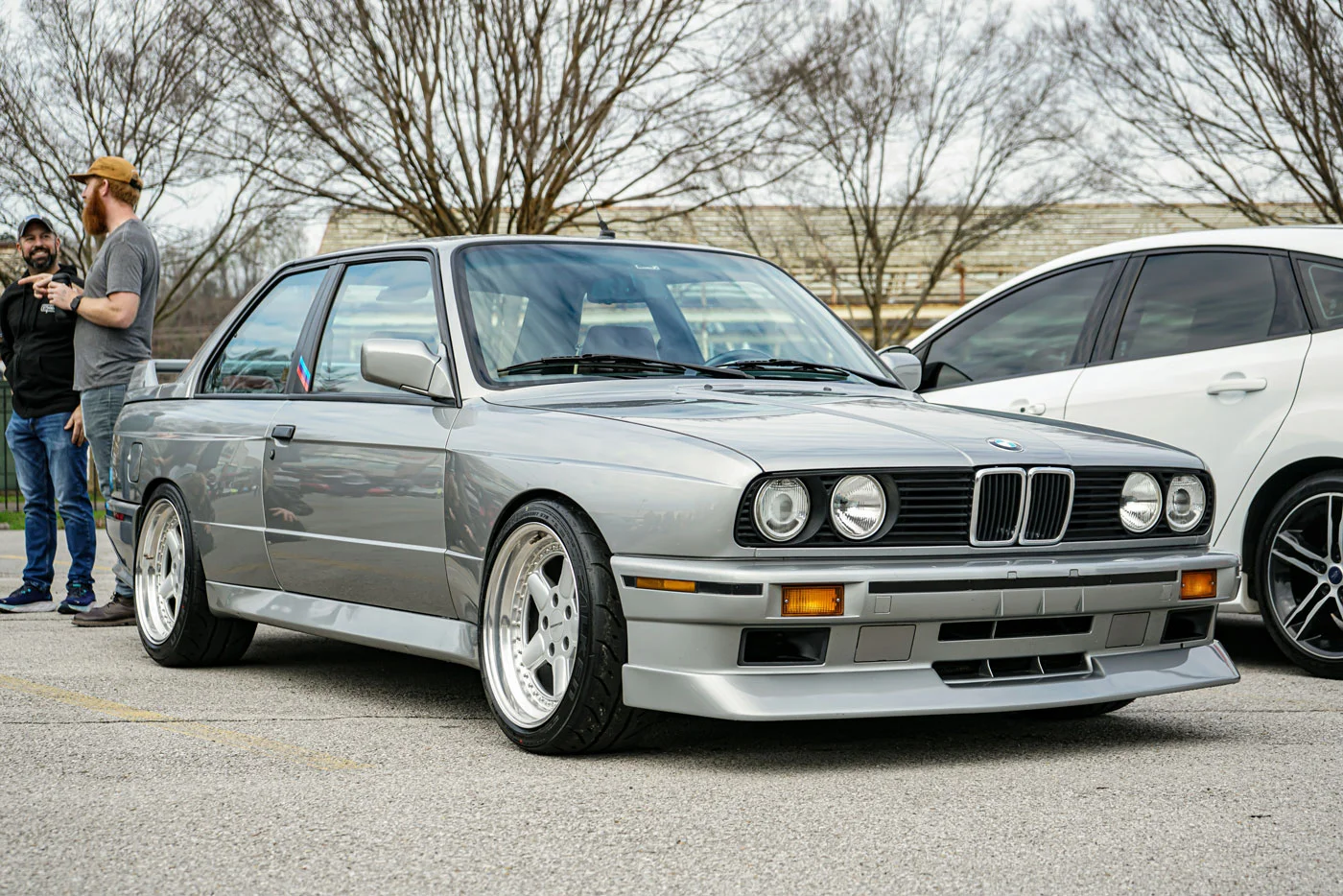
The 3-piece Rennsport was produced by both OZ Racing and Ronal. OZ Racing, already producing wheels for Formula 1 and the World Rally Championship, handled the early high-performance applications. Ronal, who would later become AC Schnitzer’s primary manufacturing partner for the Type II, also produced Rennsport variants. Both versions share the same defining construction: a cast center, an inner barrel, and a distinctly forged outer lip held together by 10-point bolts. The 3-piece design also allowed offset and width to be configured per application without tooling a new die. For instance, the E30 ACS3 Sport ran 16x8.0” front and 16x9.0” rear, a staggered setup that mattered for handling rather than aesthetics.
Type II (Early 1990s)
The 90s brought softer fenders to the BMW lineup, and with them, AC Schnitzer brought the Type II. The central change was concavity. The five spokes were no longer flat. They curved inward from the rim toward a recessed hub center, giving the wheel a “swollen” profile while the rim edge was rounded rather than stepped. Functionally, the concave geometry provided clearance for the increasingly large multi-piston brake calipers appearing across BMW’s performance lineup. Aesthetically, the deeper look filled the wheel arches of cars whose bodies were also rounder and more organic than the 1980s BMWs the Type I had been designed for.
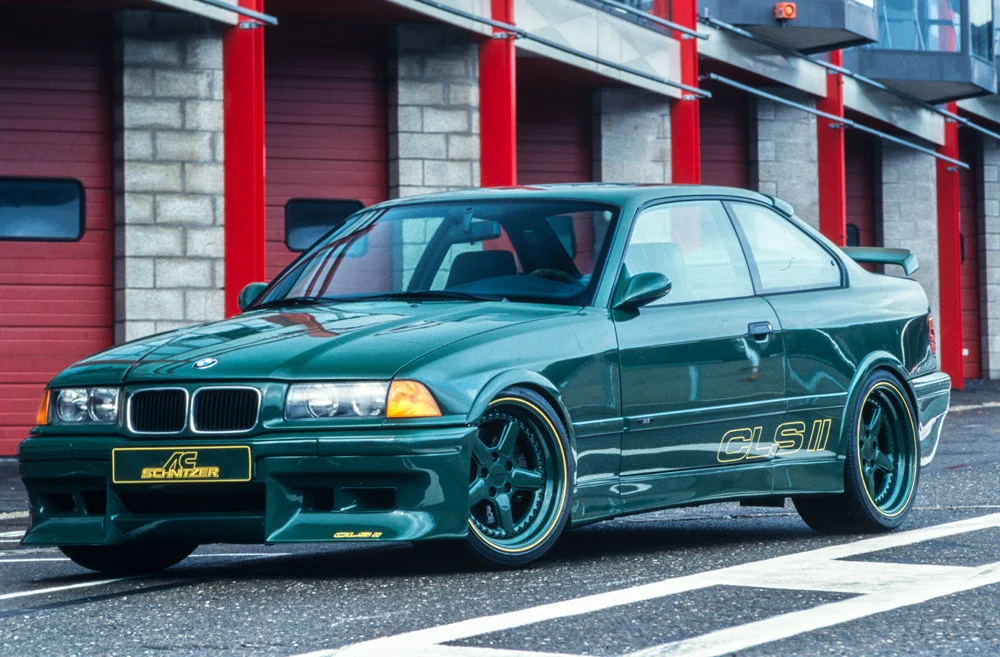
For the Type II monoblock, AC Schnitzer moved primary production to Ronal in Germany. Ronal’s high-volume casting capabilities allowed the Type II to be offered across nearly the full BMW range, 318i through 850CSi, at a price that made them far more accessible.
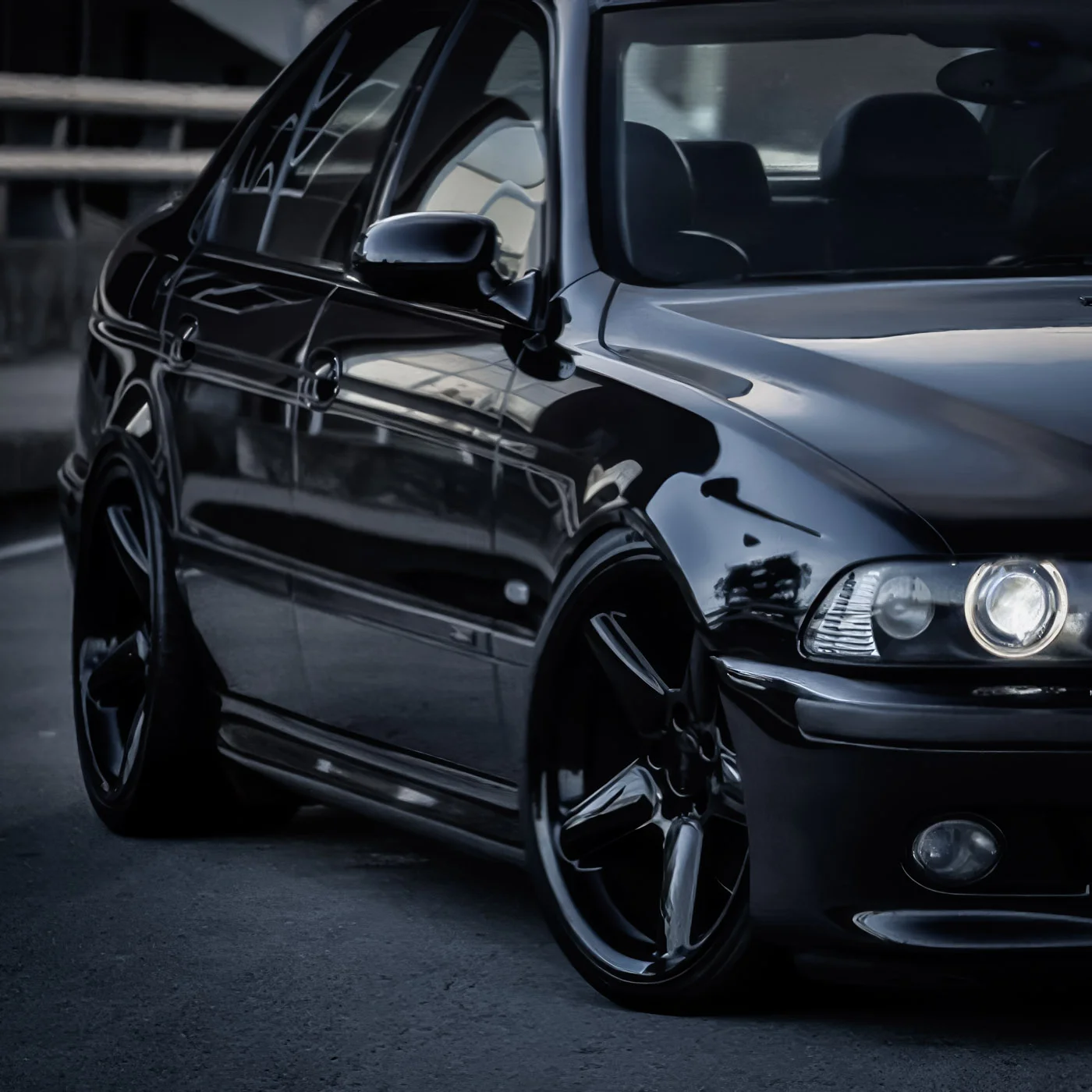
The Type II Racing also visibly departed from its predecessor. Where the Type I Racing used exposed bolts at the barrel perimeter, the Type II Racing moved all hardware into a sunken channel recessed behind the spokes. The bolts disappear into a perimeter gutter rather than sitting proudly on the face.
View this post on Instagram
Type III (Late 1990s — 2000s)
The Type III arrived with the E46 and the E39, and the spokes had suddenly split. Each of the five spokes was split into two thinner members, producing a wheel that appeared both more delicate and more technically sophisticated. The split-spoke design allowed AC Schnitzer to maintain load capacity while the wheel looked lighter. In the forged Racing versions, it was lighter, as the reduction in material per spoke combined with the forging process cut weight substantially compared to the monoblocks.
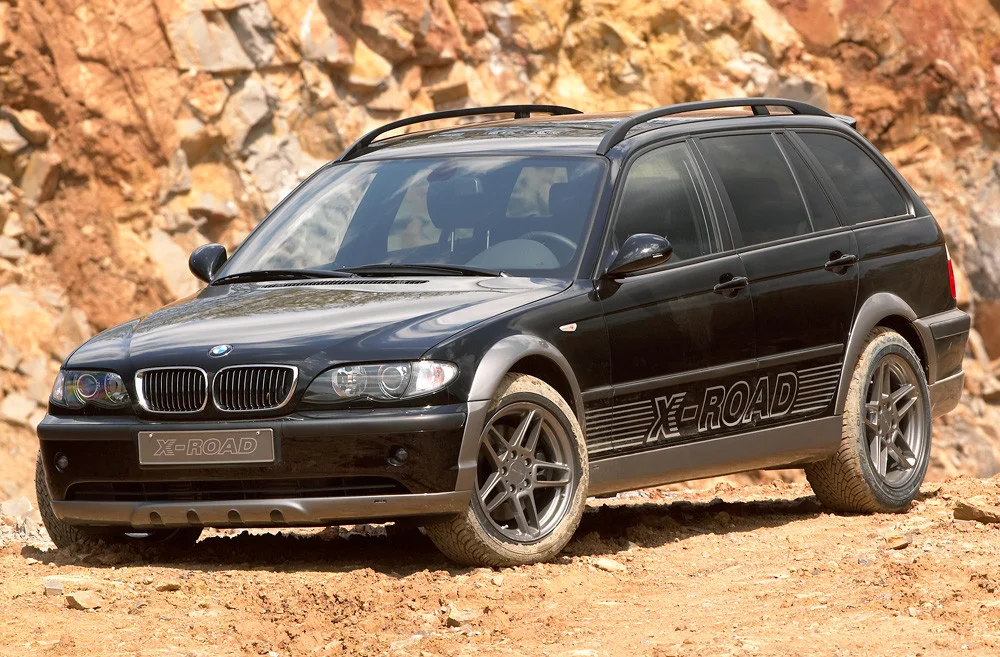
The split-spoke design was disciplined enough to read as factory-adjacent on a standard car while looking purposeful on a track car. Achieving both simultaneously is harder than it sounds, and most aftermarket designs fail at one end or the other. I remember seeing the Type III in the Streetwize showroom, my local tuner shop, and thought they looked absolutely perfect for the E46. Though not as sought after by enthusiasts as the Type I and II, they still are instantly recognizable as AC Schnitzer.
View this post on Instagram
Unlike the Type I and Type II, AC Schnitzer never produced a factory 3-piece Type III. The multi-piece Racing version is a 2-piece made by Fuchs, who used a high-pressure forging process for the centers and flow-forming for the barrels. The result was a lighter wheel that was even harder to clean than the 3-piece Type Is and IIs. If you see a listing for a “3-piece Type III Racing” these are aftermarket conversions where the 2-piece has been bolted into custom barrels and lips.
Buying Today
While ACS has a modern lineup with technologically advanced forged and flow-formed options, they lack the heritage and appeal of the original Type I, II, and III. Take one look on eBay and you’ll see that the used market for the older wheels is alive and well. So is the rep market, which means knowing what you’re buying.
Genuine AC Schnitzer wheels carry the brand logo cast or stamped into the metal and often have part numbers as well. Manufacturing partner marks from OZ Racing, Ronal, or Fuchs appear alongside the ACS markings on authentic pieces. On the multi-piece Racing variants, the hardware quality can be a tell. If on original hardware, genuine sets will feature titanium bolts while replicas may have steel.
Weight is by far the fastest filter. A genuine 17x8.5” Type I Racing wheel is noticeably lighter than a one-piece cast replica in the same size. If a set marketed as “Type II Racing” doesn’t feel appreciably lighter than factory wheels, it is probably not what the seller says it is. Hub-centric rings are required when moving wheels between some chassis and you can use the tire size compatibility calculator to verify tire clearances before committing to a fitment.
2026 Wind-Down
In 2024, the Kohl Group announced it would end its manufacturing operations by the close of 2026. The stated reasons were the increasing complexity of German TÜV approval processes and a shifting market where younger buyers are less engaged with traditional tuning culture. After-sales support and warranty commitments will continue, but new product development under the current structure ends as ACS continues to sell off the rest of their inventory.
For those with a taste for the rare, the AC Schnitzer name will continue. Now I’m off to search Facebook Marketplace for an E36 to put some Type II Racings on.